Common Causes of Damage in Commercial Stamped Concrete Surfaces
To address common causes of damage in commercial stamped concrete surfaces, local service providers can assess issues like cracking, spalling, and staining to provide effective repair solutions.
Understanding the common causes of damage in commercial stamped concrete surfaces is essential for property owners looking to maintain the appearance and longevity of their outdoor spaces. Factors such as heavy loads, improper installation, exposure to harsh weather conditions, and inadequate sealing can all contribute to surface deterioration over time. Recognizing these issues early can help prevent costly repairs and ensure the concrete remains functional and attractive for years to come. Local contractors experienced in stamped concrete repair are well-equipped to assess damage caused by these common issues and recommend appropriate solutions to restore the surface’s integrity.
For property owners in the area, exploring the causes behind stamped concrete damage offers practical benefits, especially when considering repair or maintenance options. Addressing issues promptly can help avoid further deterioration and preserve the value of commercial spaces. Local service providers specializing in stamped concrete repair have the expertise to identify the root causes of damage and perform effective repairs that blend seamlessly with the existing surface. Continued reading can provide valuable insights into how these professionals can help keep stamped concrete surfaces durable and visually appealing.
- When cracks or surface spalling appear due to freeze-thaw cycles, local contractors can assess and repair the damage to restore the concrete's integrity. - Excessive exposure to moisture and improper drainage can lead to erosion or weakening, prompting service providers to perform sealing and reinforcement work. - Heavy loads or frequent traffic can cause surface wear or deformation, with local pros offering resurfacing or reinforcement solutions. - UV exposure and fading often diminish the appearance of stamped patterns, leading service providers to restore color and texture through specialized repairs. - Chemical spills or staining can damage the surface finish, with local contractors providing cleaning, sealing, or surface refinishing to address the issues.
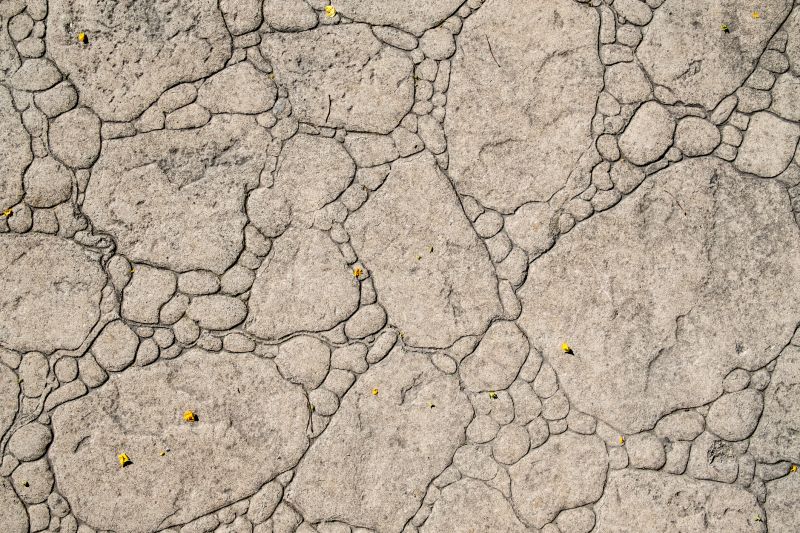
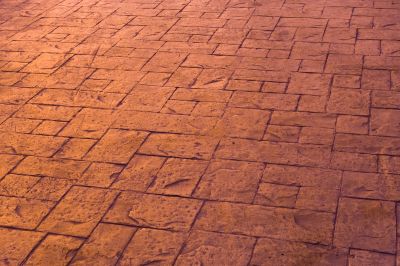
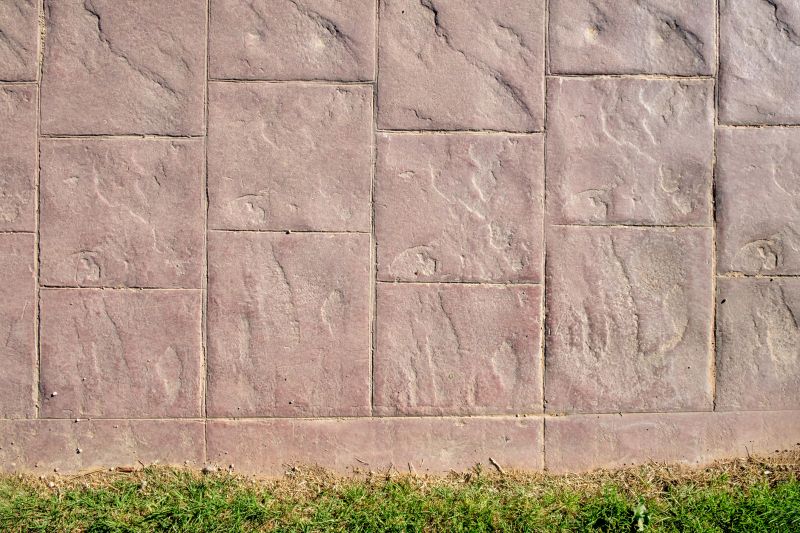
Understanding common causes of damage in commercial stamped concrete surfaces is essential for property owners and managers seeking to maintain the appearance and integrity of their outdoor spaces. These surfaces are often used in high-traffic areas such as parking lots, walkways, patios, and entryways, where durability is key. When searching for information on this topic, many are looking to identify why their stamped concrete has developed cracks, surface spalling, discoloration, or uneven textures. Recognizing the root causes helps in planning repairs and preventing further deterioration, making it a common concern for those responsible for maintaining commercial properties.
Problems related to stamped concrete damage typically stem from environmental factors, improper installation, or ongoing wear and tear. For example, exposure to freeze-thaw cycles can cause cracks and surface scaling, especially in regions with fluctuating temperatures. Heavy vehicle traffic or excessive loads can lead to surface cracking and deformation, while poor initial installation-such as inadequate base preparation or improper curing-may result in premature surface failure. Additionally, chemical spills, such as oil, de-icing salts, or cleaning agents, can erode the surface finish or cause staining. Property owners often seek guidance on these issues to determine whether repairs are needed and how to address the specific causes behind the damage.
Commercial properties with stamped concrete surfaces vary widely but typically include retail centers, office complexes, industrial parks, and hospitality venues. These locations often feature large expanses of decorative concrete designed to combine aesthetic appeal with functionality. The surfaces may include textured patterns, color accents, and overlays that enhance curb appeal. Due to their exposure to frequent foot and vehicle traffic, these properties are more susceptible to damage caused by environmental stressors and operational factors. Local contractors specializing in stamped concrete repair are familiar with the common issues faced by such properties and can offer targeted solutions to restore the surface’s appearance and durability.
For property owners seeking to address damage in their stamped concrete surfaces, understanding the common causes is a crucial first step. Damage can often be minimized or prevented through proper installation practices, timely repairs, and protective treatments. Local service providers experienced in stamped concrete repair can evaluate the specific issues affecting a property, identify the underlying causes, and recommend suitable repair methods. Whether it involves patching cracks, removing stains, or restoring surface texture, these professionals play a vital role in maintaining the longevity and visual appeal of commercial stamped concrete surfaces, ensuring they remain functional and attractive for years to come.
Parking lot renovation projects involve surface preparation and finishing techniques similar to those used in stamped concrete, making them relevant for addressing common causes of damage in commercial stamped concrete surfaces.
Sidewalk and pathway installations require careful planning and material selection, skills that are essential for repairing damage caused by wear and environmental factors in stamped concrete surfaces.
Industrial flooring projects often involve concrete surface treatments and repairs, aligning with the expertise needed to address cracks and surface deterioration in stamped concrete.
Retail storefront upgrades include decorative concrete work that shares planning and surface finishing skills with commercial stamped concrete repairs, especially when addressing surface damage.
Driveway resurfacing services involve techniques for surface preparation and sealing that are applicable when fixing damage caused by heavy traffic or improper installation in stamped concrete.
Outdoor plaza and public space projects require durable surface solutions and repair strategies similar to those used in maintaining stamped concrete, especially for large-scale damage issues.
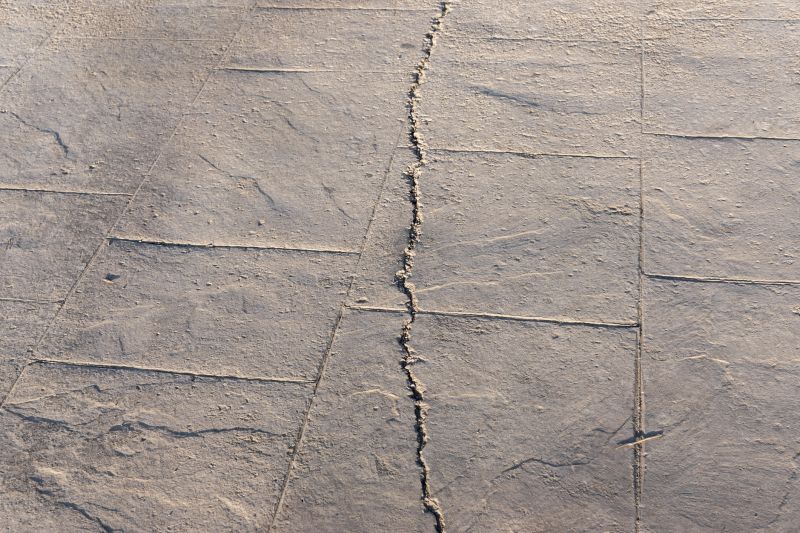
When evaluating contractors for commercial stamped concrete repair, it is important to consider their experience with similar projects. Homeowners should inquire about the types of damage they have successfully addressed and whether they have worked on surfaces exposed to common causes of damage in commercial stamped concrete, such as freeze-thaw cycles, heavy traffic, or chemical exposure. Contractors with a proven track record in handling these issues are more likely to understand the specific challenges and solutions relevant to stamped concrete surfaces, ensuring the repair work is durable and effective.
Clear, written expectations are essential when comparing local service providers. Homeowners should seek detailed proposals that outline the scope of work, repair methods, and materials to be used. This clarity helps prevent misunderstandings and ensures that both parties are aligned on the project’s goals. Reputable contractors will be transparent about their processes and provide documentation that explains how they will address the underlying causes of damage, such as improper installation or inadequate sealing, which are common contributors to ongoing issues in stamped concrete surfaces.
Good communication and reputable references are key indicators of a reliable contractor. Homeowners are encouraged to ask for references from previous clients who had similar work done, especially on projects involving common causes of damage in commercial stamped concrete surfaces. Listening to feedback about the contractor’s responsiveness, professionalism, and ability to explain repair strategies can help determine if they are a trustworthy choice. Effective communication ensures that homeowners remain informed throughout the process, making it easier to address concerns early and achieve results that meet expectations.
Property owners often search for common causes of damage in commercial stamped concrete surfaces when they are planning practical projects around their homes and businesses. Local pros provide Commercial Stamped Concrete Repair services for everyday jobs and straightforward project options.
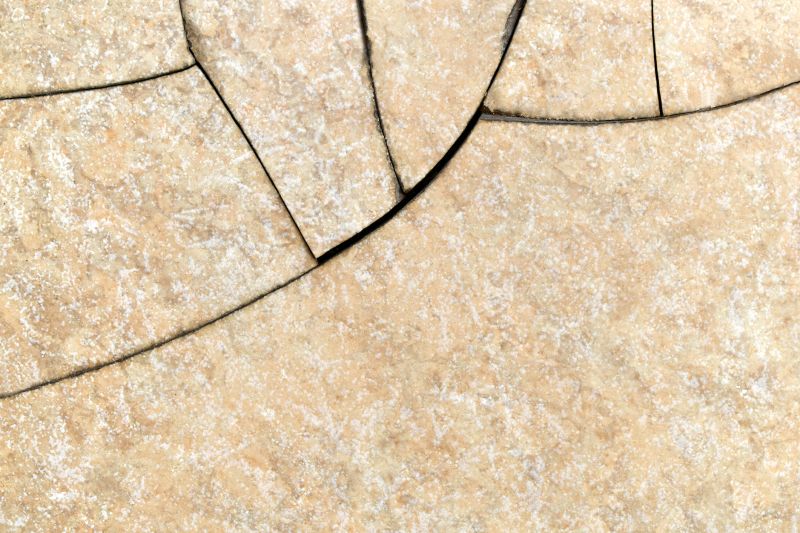
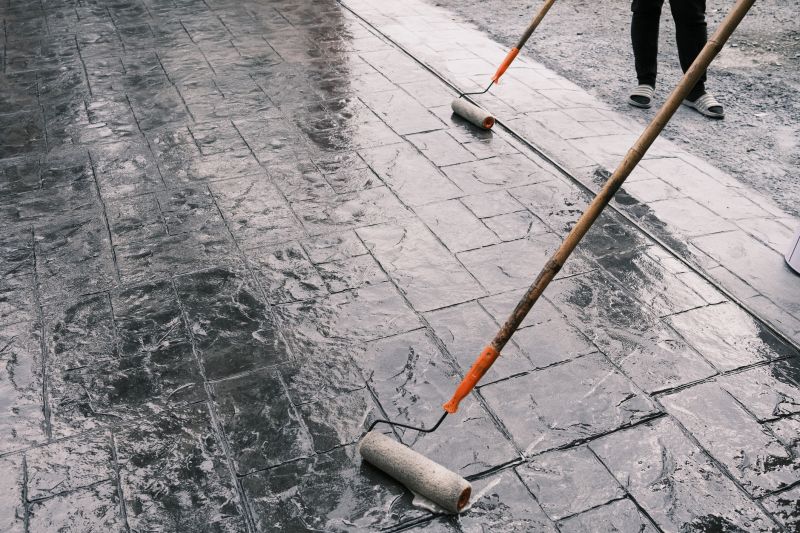
Many commercial stamped concrete surfaces can be vulnerable to damage caused by everyday activities and environmental factors. Heavy machinery or frequent vehicle traffic can lead to surface cracking or surface wear over time, especially if the concrete was not properly reinforced or installed. Additionally, exposure to standing water or improper drainage can cause the concrete to weaken or develop surface spalling, making it more prone to further deterioration. Property owners noticing these issues often seek out local contractors who specialize in stamped concrete repair to restore the surface’s appearance and structural integrity.
Other common causes of damage in commercial stamped concrete surfaces include the use of harsh de-icing salts during winter months, which can erode the surface or cause staining. Improper sealing or infrequent maintenance can also accelerate surface damage, leading to discoloration or surface pitting. Furthermore, accidental impacts from heavy objects or improper cleaning methods can leave marks or chips. Property owners facing these types of issues are encouraged to connect with local service providers experienced in stamped concrete repair, who can assess the damage and recommend appropriate solutions to extend the lifespan of the surface.
What are common causes of damage in commercial stamped concrete surfaces? Common causes include exposure to harsh weather conditions, heavy loads, improper installation, and chemical spills, which can lead to cracking, chipping, or surface deterioration. Local contractors experienced in stamped concrete repair can assess and address these issues effectively.
How does weather contribute to damage in stamped concrete? Weather elements like freeze-thaw cycles, heavy rain, and intense sunlight can cause expansion, contraction, and surface wear, resulting in cracks or surface spalling. Professionals can perform repairs to restore the integrity of the stamped concrete.
Can heavy loads damage commercial stamped concrete surfaces? Yes, excessive weight from vehicles or equipment can cause cracking or sinking in stamped concrete. Skilled service providers can reinforce and repair damaged areas to prevent further deterioration.
What role do chemical spills play in damaging stamped concrete? Spills of oils, acids, or other corrosive substances can stain or weaken the surface, leading to surface damage. Local experts can clean and repair affected areas to maintain the surface’s appearance and strength.
How can improper installation lead to damage in stamped concrete surfaces? Poor installation practices, such as inadequate base preparation or improper curing, can cause early cracking and surface failure. Experienced contractors can identify these issues and perform necessary repairs to extend the lifespan of the stamped concrete.
Heavy loads and traffic can cause surface cracking and structural damage, so property owners should work with local contractors to reinforce stamped concrete areas exposed to frequent heavy use.
Exposure to harsh weather conditions may lead to surface deterioration; consulting local pros can help apply protective sealers and repairs to extend the lifespan of stamped concrete.
Poor installation practices often result in early damage; property owners can seek experienced local service providers for proper surface preparation and finishing techniques.
Chemical spills and staining can weaken the surface material, making it more prone to damage; regular maintenance and professional repairs from local contractors can help mitigate these issues.
If you are thinking about common causes of damage in commercial stamped concrete surfaces for a property, this guide is meant to help you understand this topic, the typical project types, and how different options might fit your plans.
When you are ready, you can use the quote form on this page to share a few details about your project. From there, local pros can review the basics and follow up with options that match what you have in mind.